
- Home
- Pet encyclopedia
- Reptiles
Reptiles breeds
Complete profiles of Reptiles breeds with photos, traits and care guides.
42 breeds
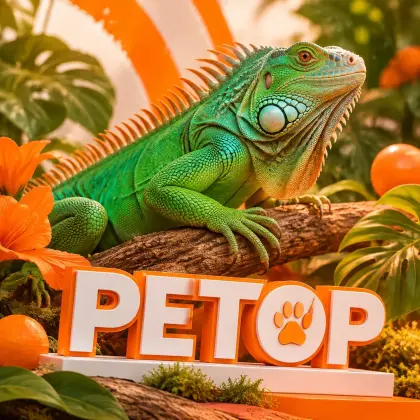
Green Iguana
Dragon-like but grows to 1.5 m and needs a very large, warm enclosure.
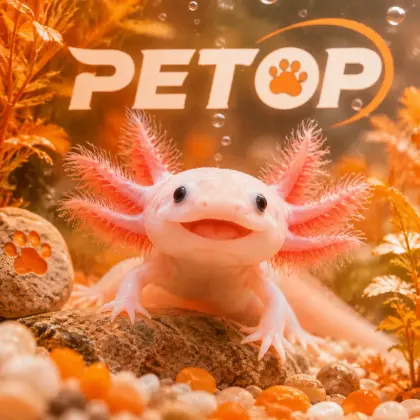
Axolotl
A smiling aquatic salamander that regenerates limbs; critically endangered in the wild.
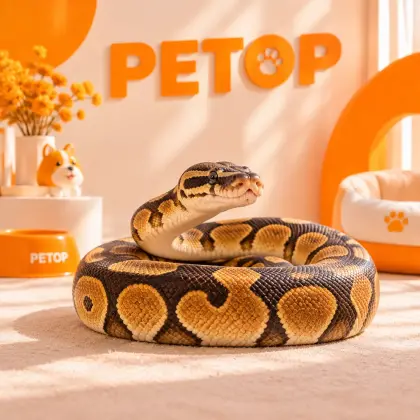
Ball Python
The gentlest pet snake—curls into a ball when nervous; non-venomous.
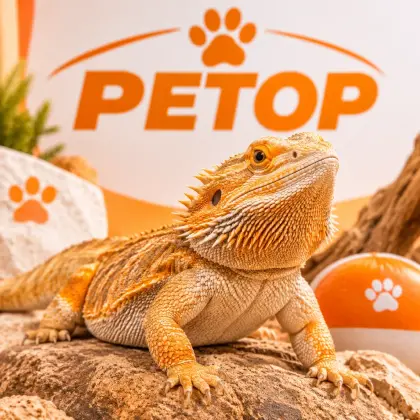
Bearded Dragon
A calm, interactive lizard that eats both insects and greens.
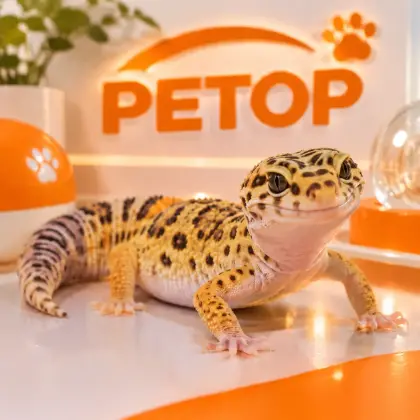
Leopard Gecko
The perfect starter reptile: docile, low-maintenance and available in many morphs.
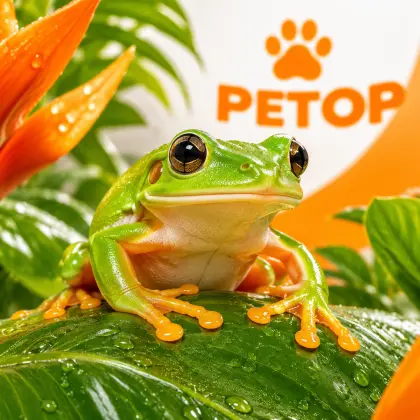
Australian green tree frog
The chubby “smiling” tree frog—very docile.
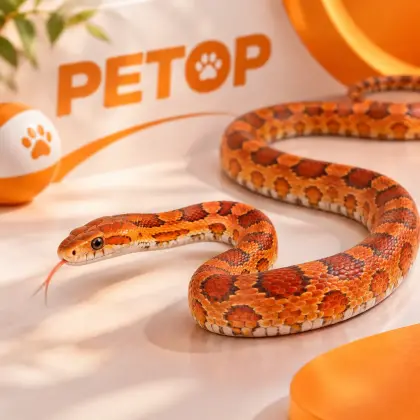
Corn Snake
A colourful, easy-going starter snake.
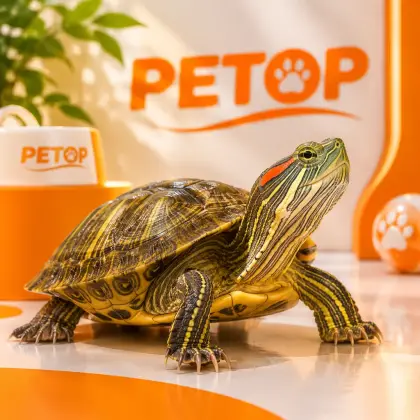
Red-eared Slider
The most common pet turtle; grows large, lives decades and must never be released.
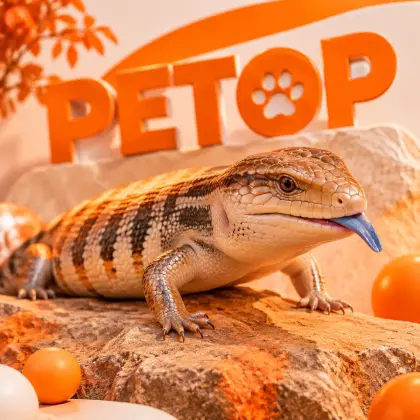
Blue-tongued Skink
A hardy, docile lizard with a bright blue tongue and an omnivorous diet.
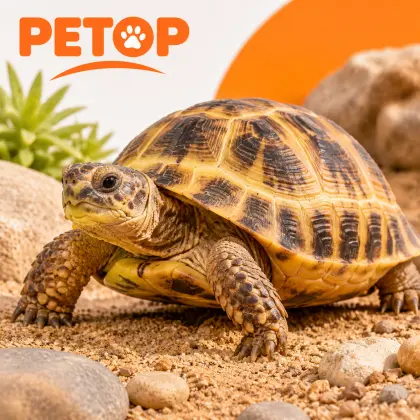
Russian tortoise
A small hardy tortoise native also to NE Iran—never take from the wild.
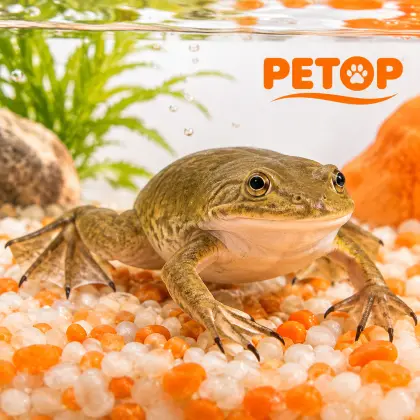
African clawed frog
A fully aquatic frog for a simple aquarium.
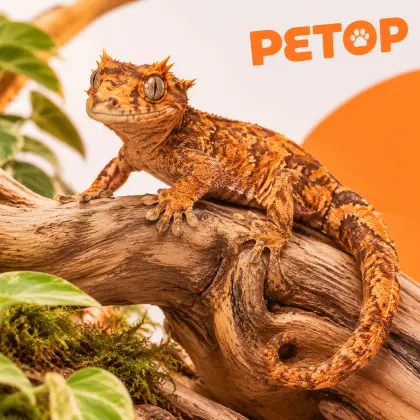
Gargoyle gecko
A knobby-headed cousin of the crested gecko.
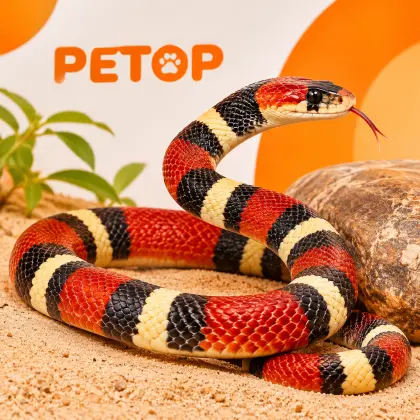
Milk snake
Mimics the coral snake but is harmless.
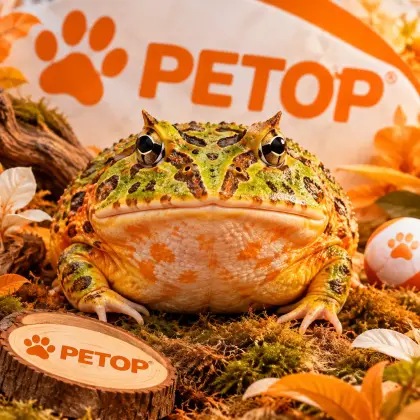
Pacman Frog
A huge-mouthed ambush predator that spends its day buried.
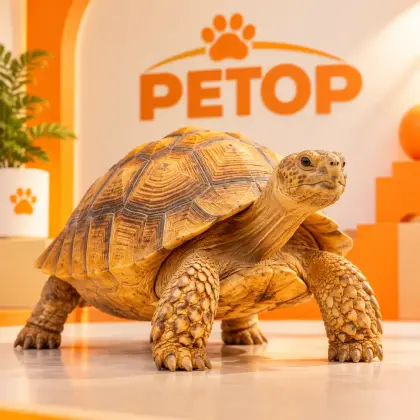
Sulcata Tortoise
Grows huge and lives for generations; needs a yard. Native Iranian tortoises are protected and must not be traded.
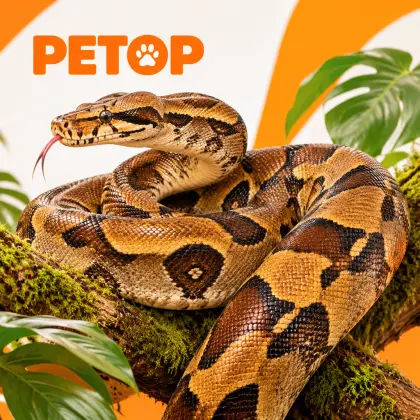
Boa constrictor
A large, calm constrictor for experienced keepers.
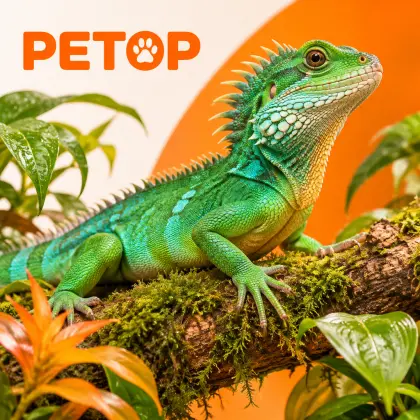
Chinese water dragon
A green arboreal lizard that needs a water pool.
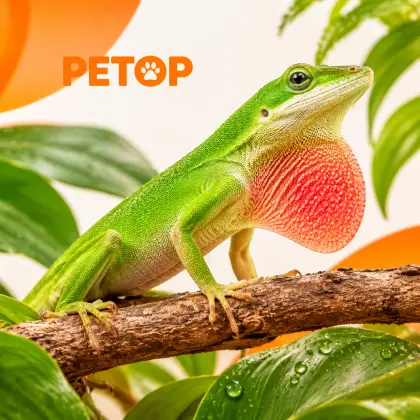
Green anole
A tiny lizard that shifts between green and brown.
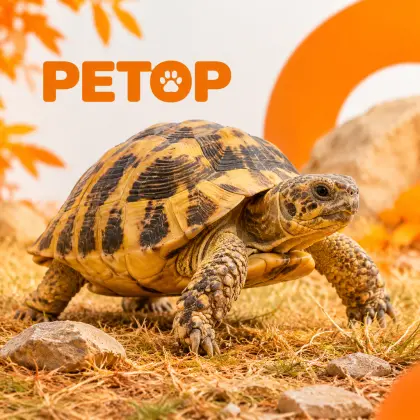
Hermann's tortoise
One of Europe’s most popular pet tortoises.
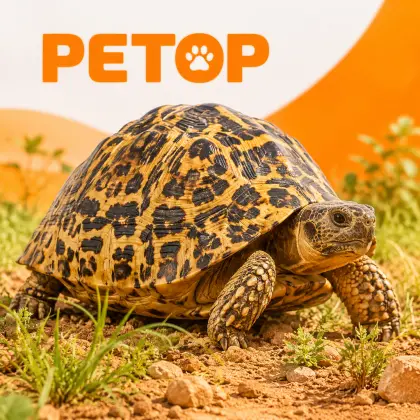
Leopard tortoise
A beautifully spotted large grazing tortoise.
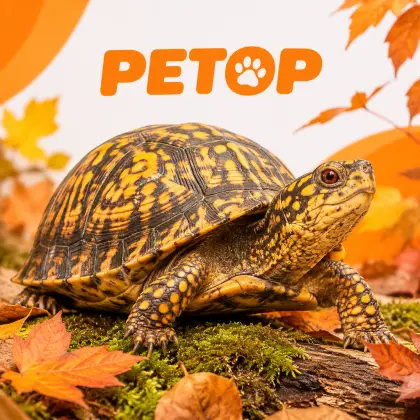
Common box turtle
Can fully close its shell; an omnivore.
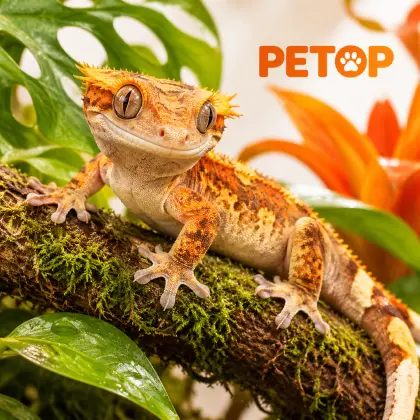
Crested gecko
A gentle eyelash-crested gecko that thrives on fruit-based powder diets.
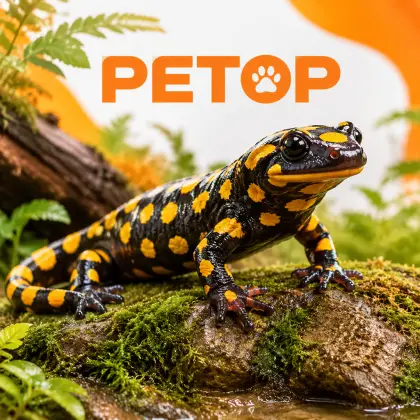
Fire salamander
A black-and-yellow salamander needing cool conditions—Iran’s native salamanders are strictly protected.
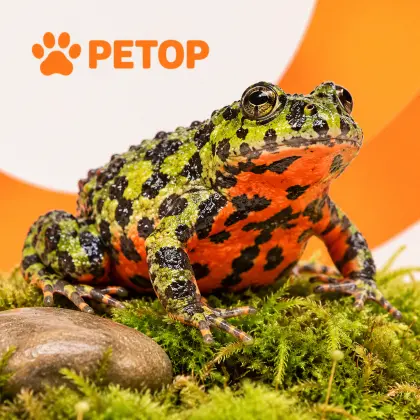
Oriental fire-bellied toad
Green back, fiery belly—mildly toxic skin secretions.
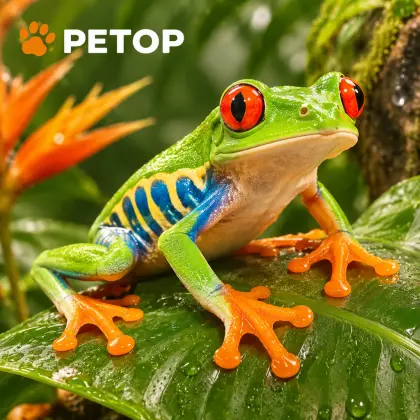
Red-eyed tree frog
The iconic rainforest frog with red eyes and blue flanks.
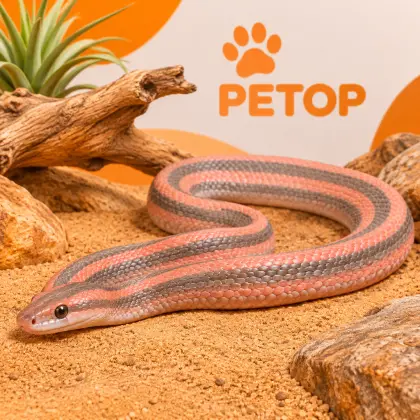
Rosy boa
One of the most docile snakes in the world.
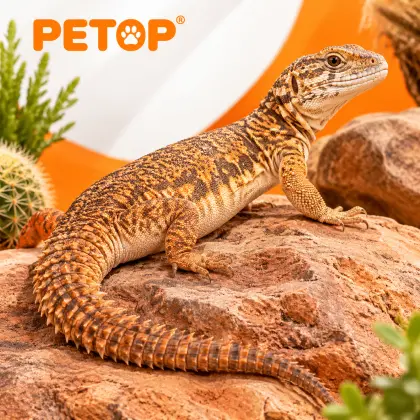
Spiny-tailed monitor
The most kept dwarf monitor—needs deep substrate.
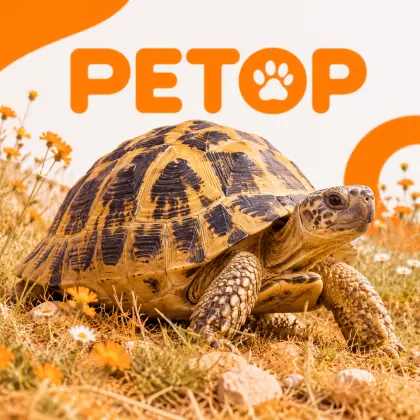
Spur-thighed tortoise
Native and protected in Iran—keeping requires a permit.
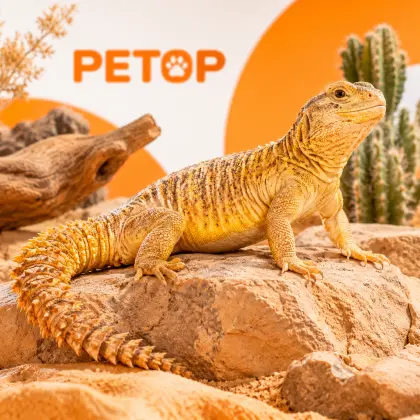
Uromastyx
A desert herbivore needing very high heat and UVB—Iranian wild species are protected.
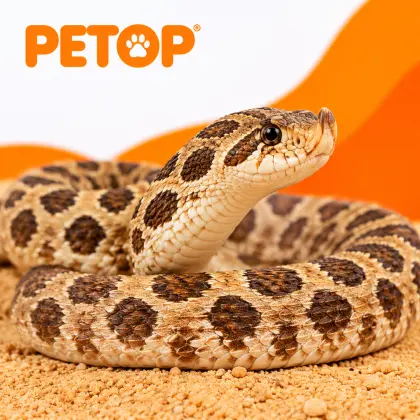
Western hognose snake
Plays dead dramatically when threatened.
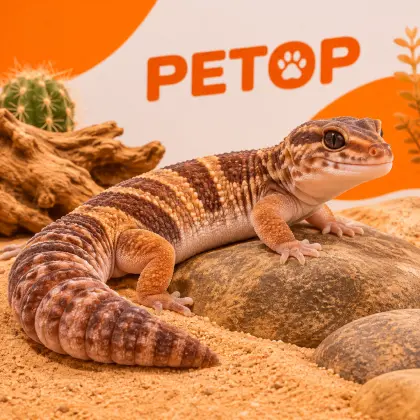
African fat-tailed gecko
A leopard gecko relative that needs more humidity.
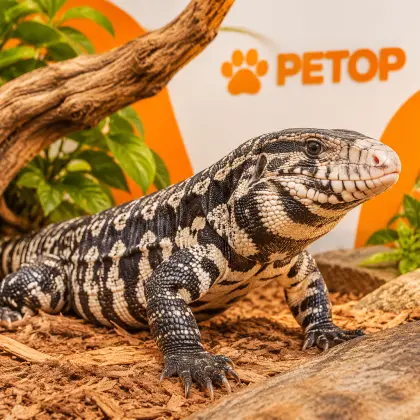
Argentine black and white tegu
A large, dog-like lizard that tames well but needs huge space.
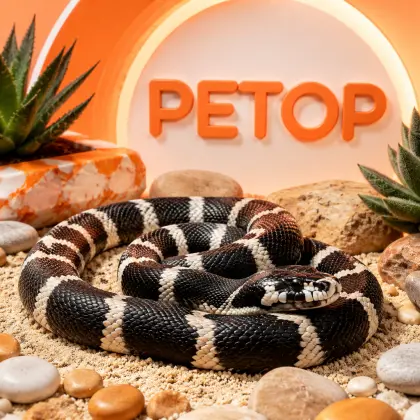
California kingsnake
A banded, hardy beginner snake (non-venomous).
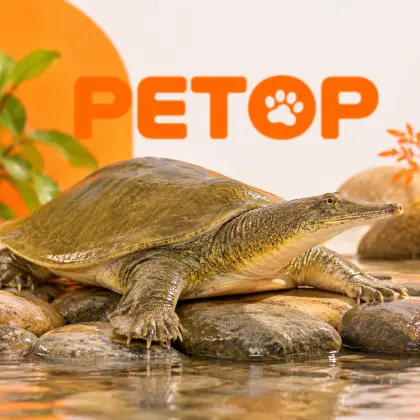
Chinese softshell turtle
A leathery-shelled snorkel-nosed turtle with a strong bite.
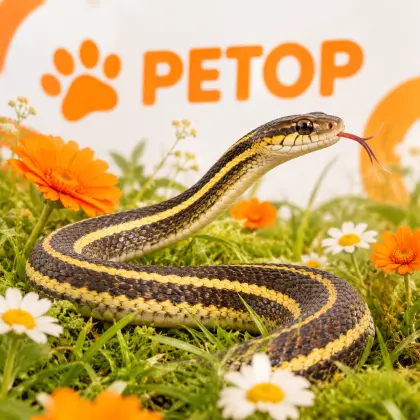
Common garter snake
A lively day-active snake that eats fish and worms.
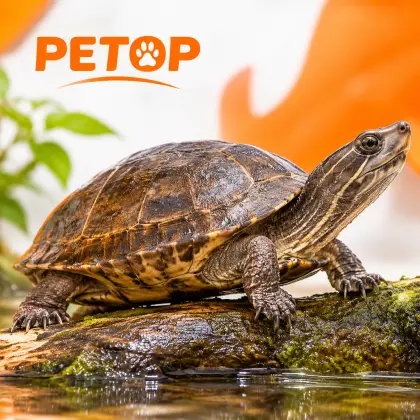
Common musk turtle
The smallest common pet water turtle.
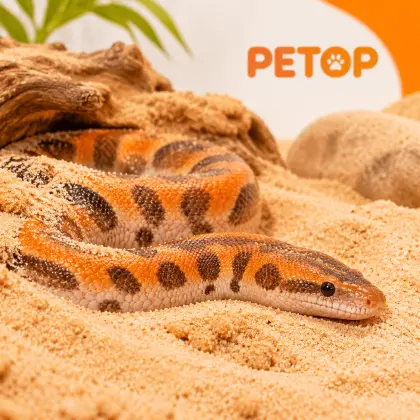
Kenyan sand boa
A small burrowing boa—one of the easiest snakes.
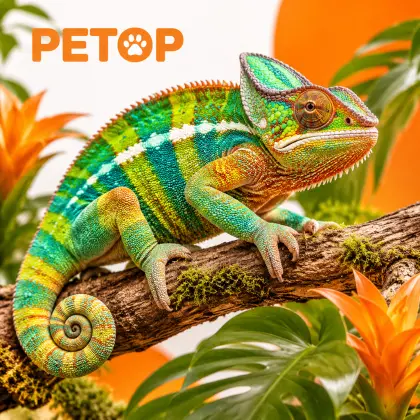
Panther chameleon
A dazzlingly coloured chameleon—for viewing, not handling.
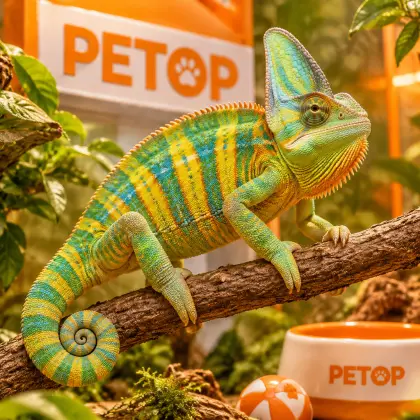
Veiled Chameleon
Captivating colour changes and independent eyes—but delicate and not for beginners.
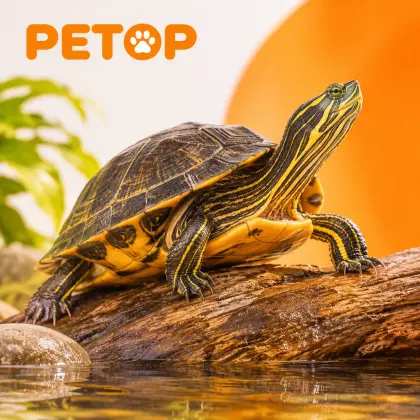
Yellow-bellied slider
A red-eared slider cousin with yellow cheek patches.
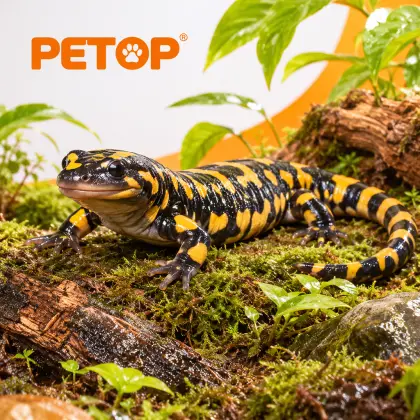
Tiger salamander
The largest land salamander, quick to recognise its keeper.
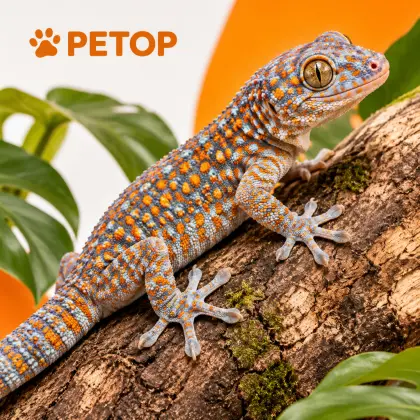
Tokay gecko
A vivid but bitey gecko—for display, not handling.
General care guide: Reptiles
Heat and light
Reptiles rely on their environment for body heat. Provide a thermal gradient with a thermostat and proper UVB lighting.
Diet & law
Insects dusted with calcium for geckos and dragons, greens for tortoises and iguanas, frozen-thawed rodents for snakes. Native Iranian reptiles are protected—only captive-bred, non-venomous species may be listed.
Related articles
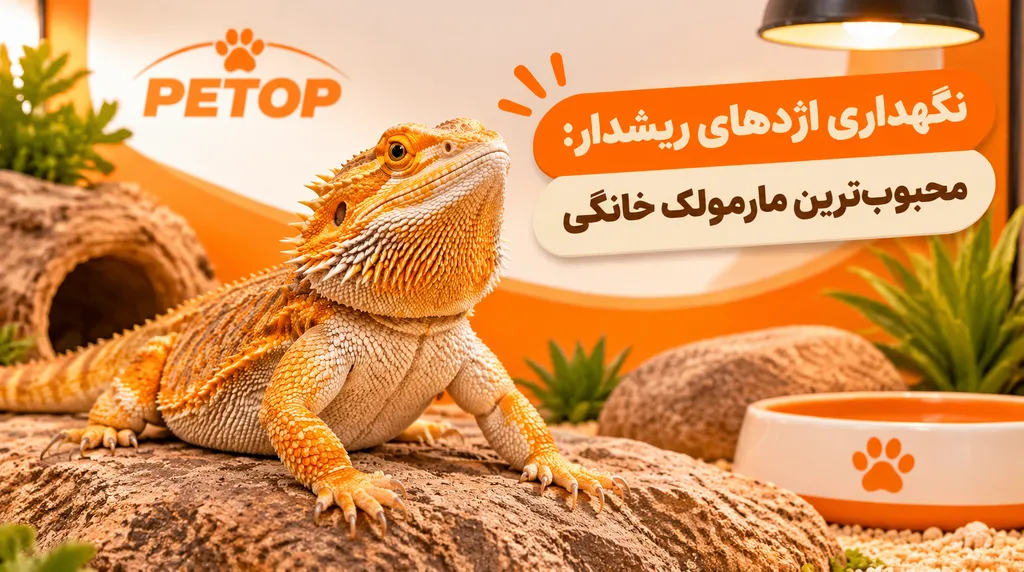
Bearded dragon care guide
Large enclosure, strong UVB and a mixed insect-and-greens diet.
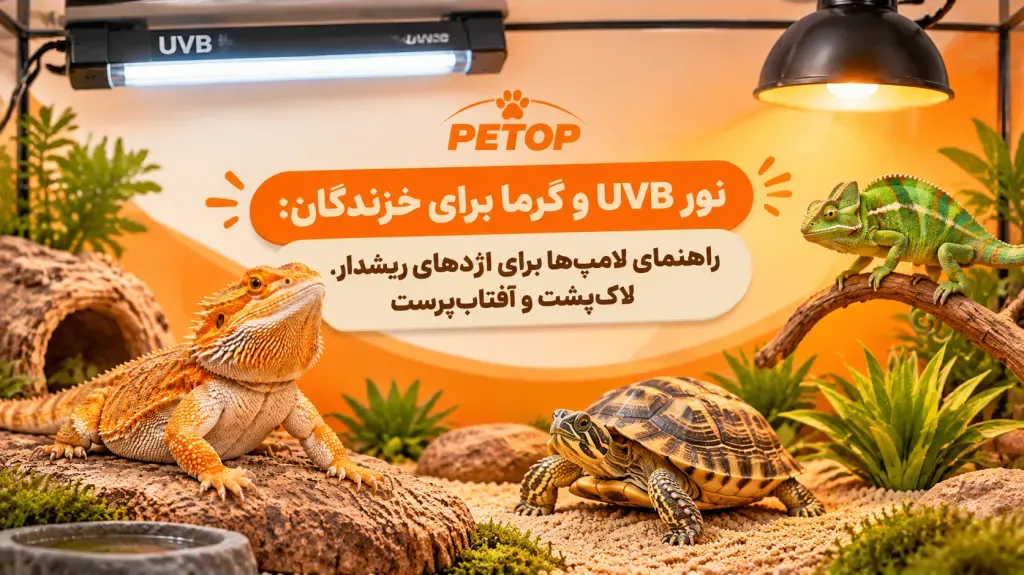
UVB and heat for reptiles
Without proper UVB, diurnal reptiles can’t absorb calcium.
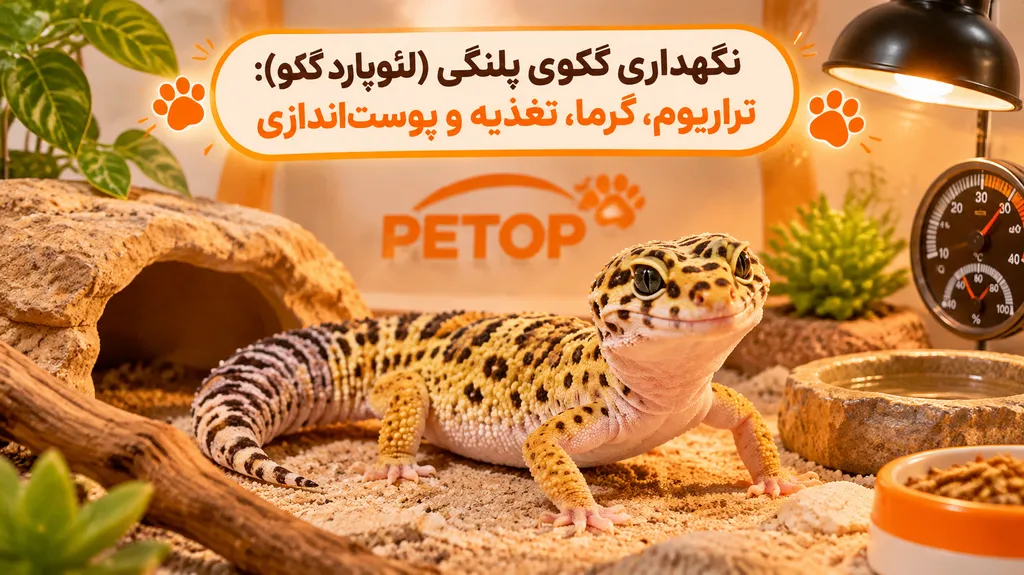
Leopard gecko care guide
Setup, belly heat, insect diet and preventing metabolic bone disease.