
- Home
- Pet encyclopedia
- Fish & aquatics
Fish & aquatics breeds
Complete profiles of Fish & aquatics breeds with photos, traits and care guides.
75 breeds — page 1 / 2
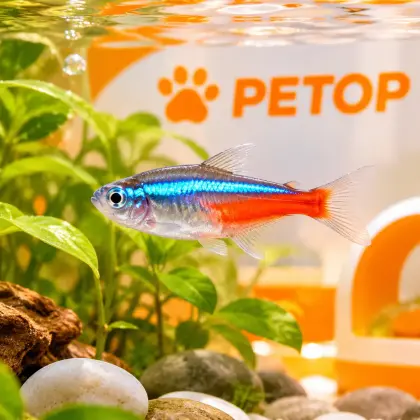
Neon Tetra
A tiny schooling fish with an iridescent blue stripe; keep in groups of 8+.
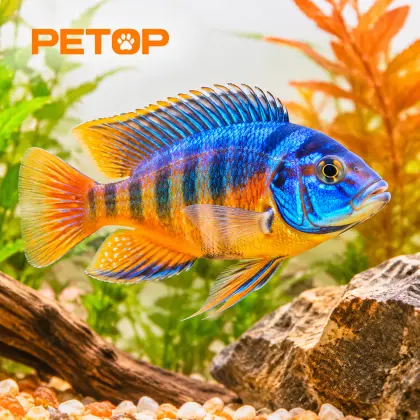
Peacock cichlid
Males glow in blue, red and yellow.
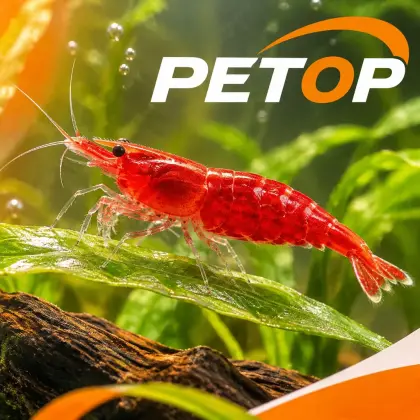
Cherry Shrimp
A tiny red cleaner for planted tanks that breeds easily.
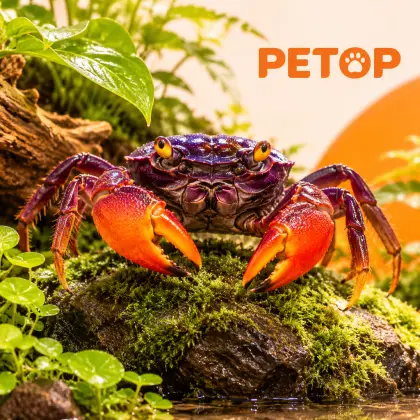
Vampire crab
A purple, yellow-eyed crab for paludariums.
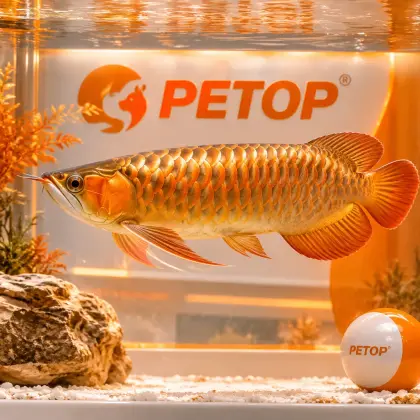
Arowana
A large, ancient “dragon fish” symbolising fortune; needs a very big tank.
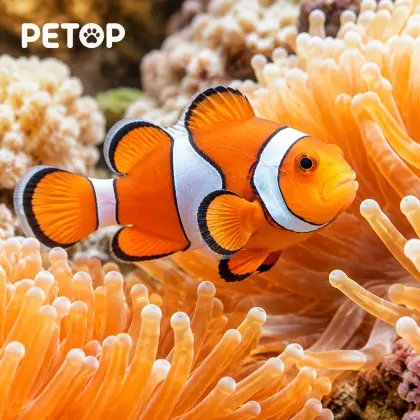
Clownfish
Made famous by “Finding Nemo”—the best starter marine fish.
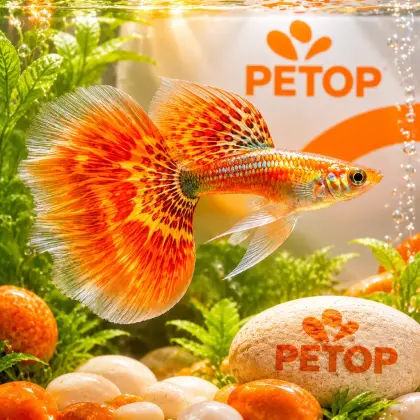
Molly
A hardy livebearer available in black, white and sailfin forms.
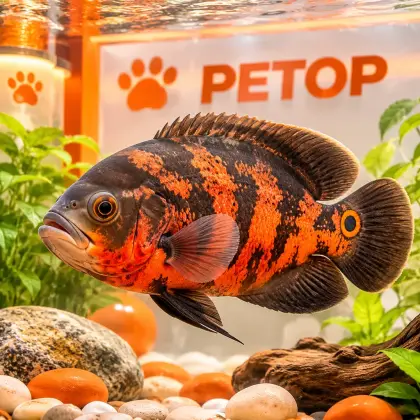
Oscar
A large, intelligent cichlid that recognises its owner and eats small fish.
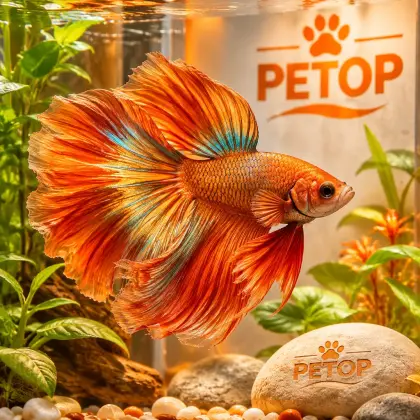
Betta (Siamese fighting fish)
Long-finned and vivid; males must be kept alone.
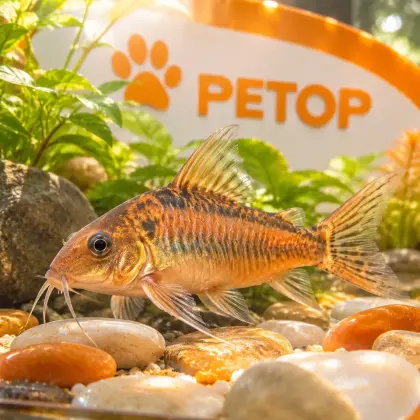
Corydoras catfish
A peaceful bottom-dwelling catfish that lives in groups and tidies the substrate.
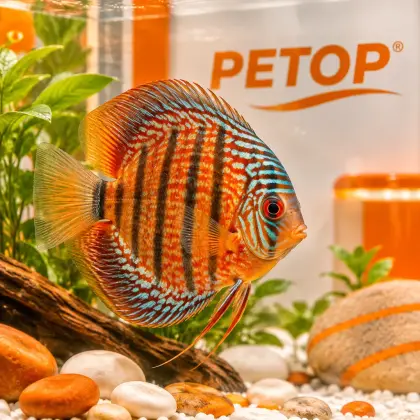
Discus
The “king of the aquarium”—beautiful but demanding on water quality.
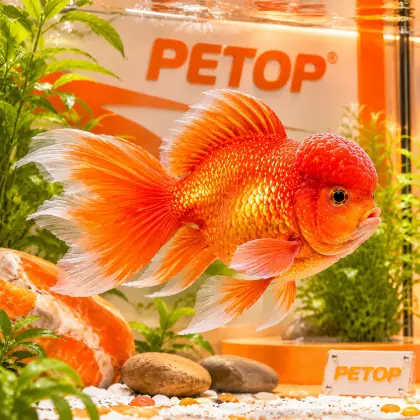
Goldfish
The Nowruz fish—actually needs a large filtered tank and can live 10+ years.
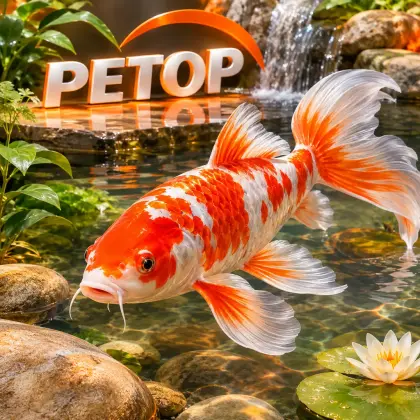
Koi
Ornamental Japanese carp for large ponds, valued for colour patterns.
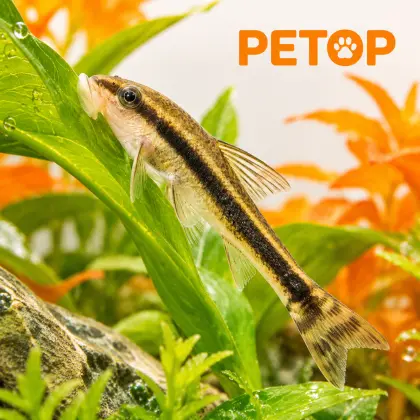
Otocinclus
A tiny schooling algae-eating catfish for planted tanks.
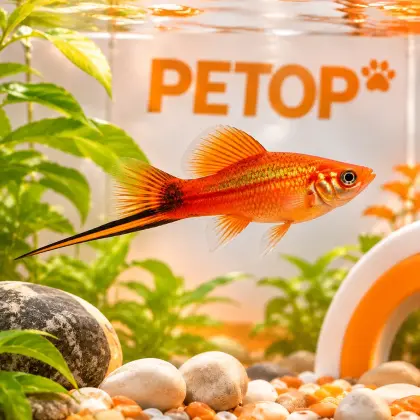
Swordtail
Males carry a sword-like tail extension; active and hardy.
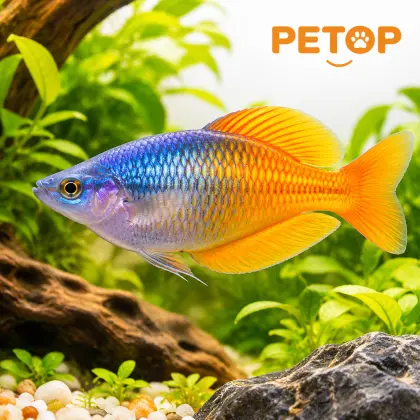
Boeseman's rainbowfish
Half blue, half orange—stunning in groups.
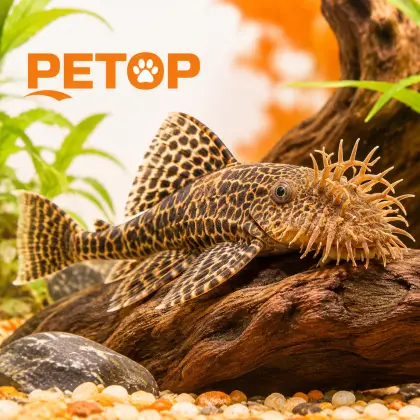
Bristlenose pleco
The best algae-eater for home tanks—stays small.
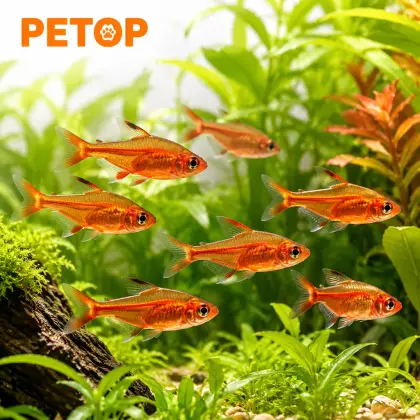
Ember tetra
A tiny orange tetra perfect for nano planted tanks.
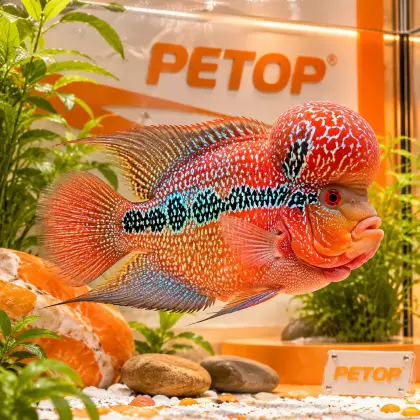
Flowerhorn Cichlid
A hybrid cichlid with a prominent nuchal hump; kept singly.
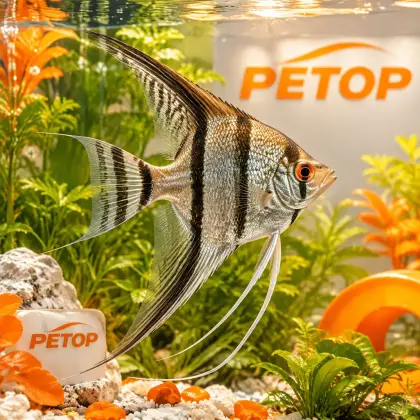
Freshwater Angelfish
A tall, graceful cichlid and a centrepiece of freshwater tanks.
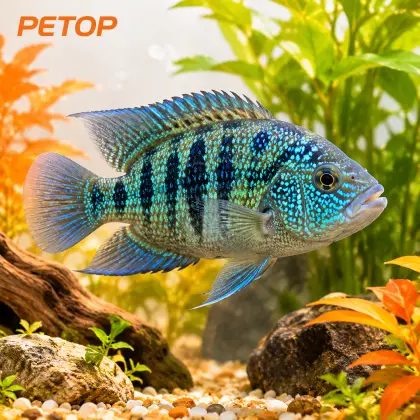
Jack Dempsey
Named after the boxer—a robust, feisty cichlid.
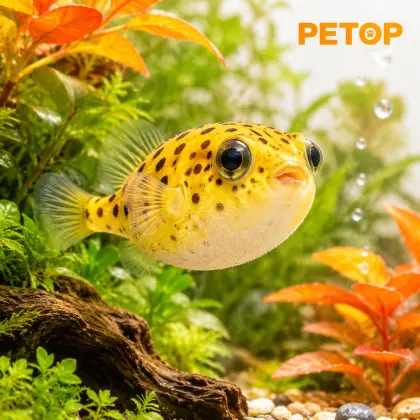
Pea puffer
The world’s smallest puffer—eats only live/frozen foods.
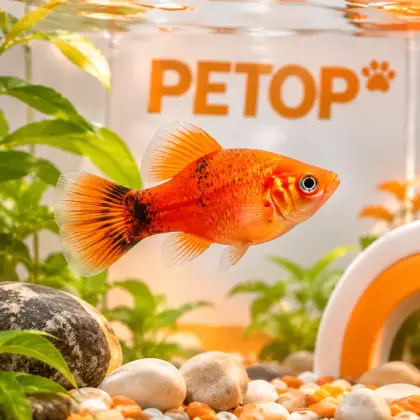
Platy
A small, colourful, very forgiving starter fish.
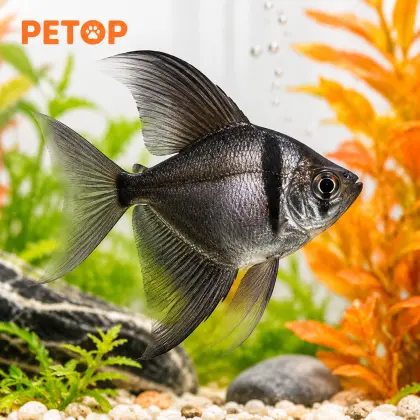
Black skirt tetra
A hardy beginner tetra that may nip long fins.
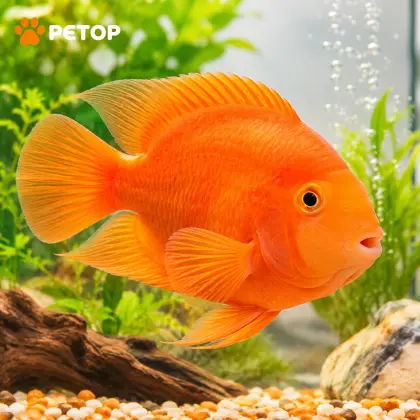
Blood parrot cichlid
A hybrid cichlid with a beak-like mouth, hugely popular in Iran.
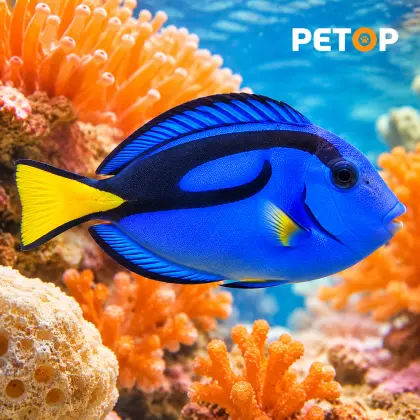
Blue tang
“Dory” of Finding Nemo—needs a very large tank.
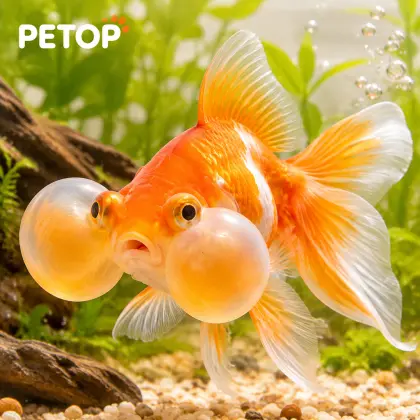
Bubble Eye goldfish
A goldfish with fragile fluid-filled eye sacs.
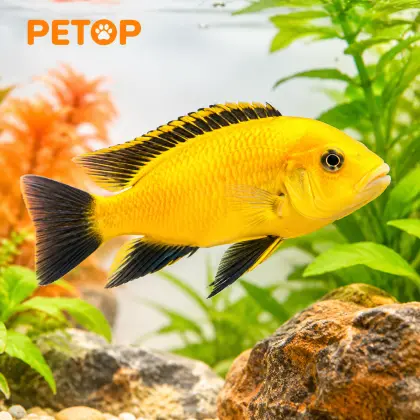
Electric yellow cichlid
A bright yellow, relatively mild Malawi mbuna.
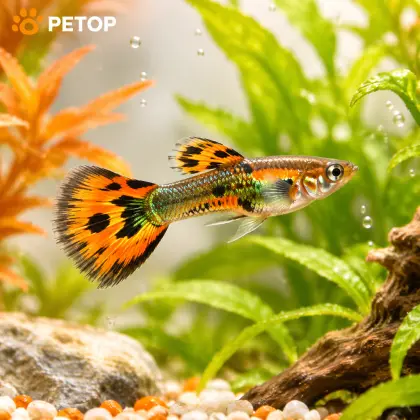
Endler's livebearer
A tiny, vivid guppy relative that breeds fast.
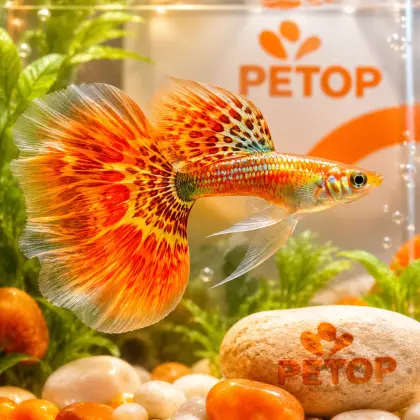
Guppy
A colourful livebearer—ideal for beginners and breeds readily.
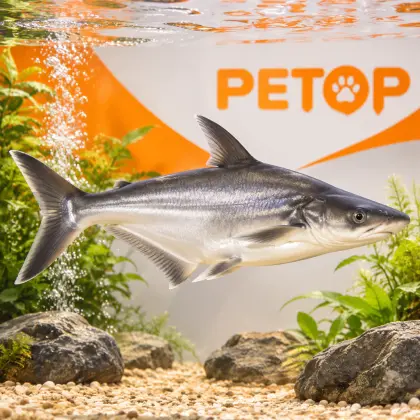
Iridescent shark
Sold small as an “aquarium shark” but grows over a metre.
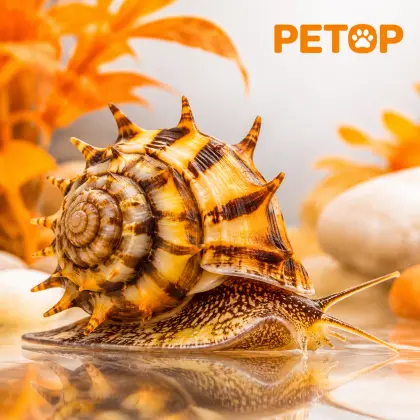
Nerite snail
A great algae grazer that won’t overrun the tank.
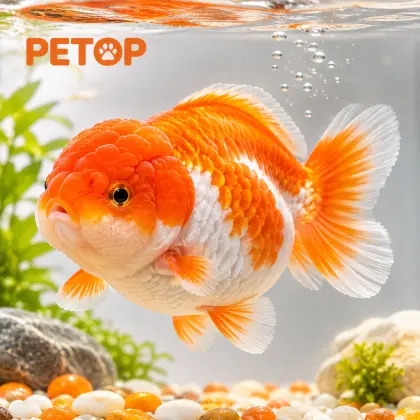
Ranchu goldfish
Japan’s “king of goldfish”—no dorsal fin, fleshy head.
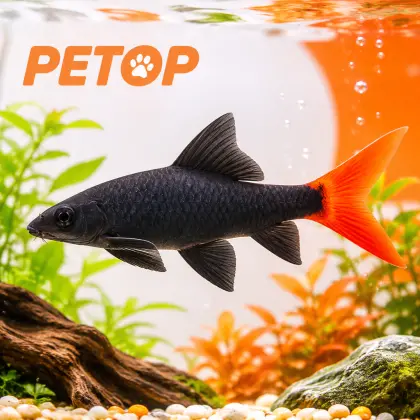
Red-tailed black shark
Velvet black with a red tail; fights its own kind.
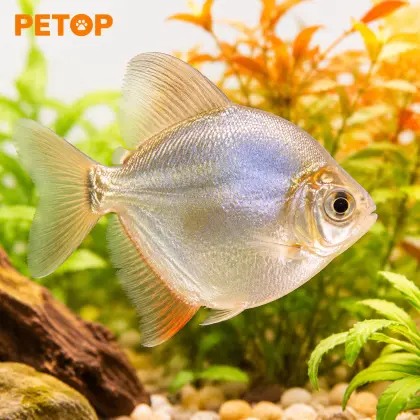
Silver dollar
A round silver schooler that eats live plants.
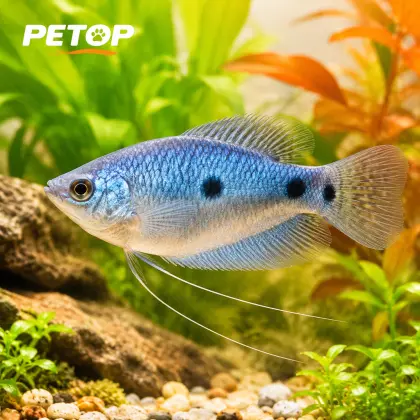
Three spot gourami
A hardy gourami in blue, gold and opaline forms.
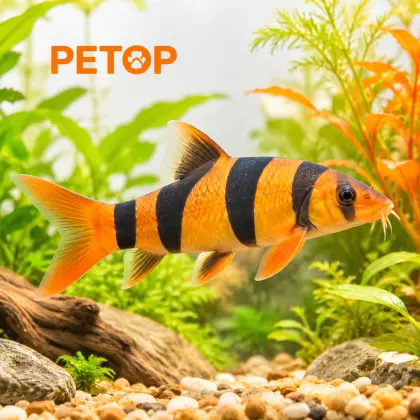
Clown loach
A striped, playful loach that eats pest snails.
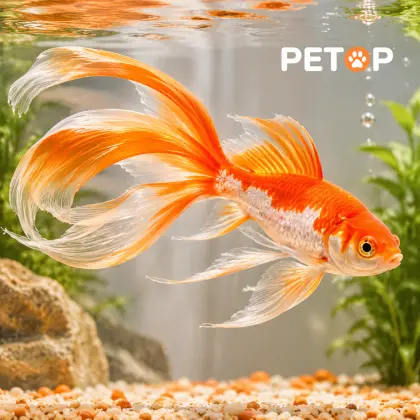
Comet goldfish
Slim, fast goldfish ideal for ponds.
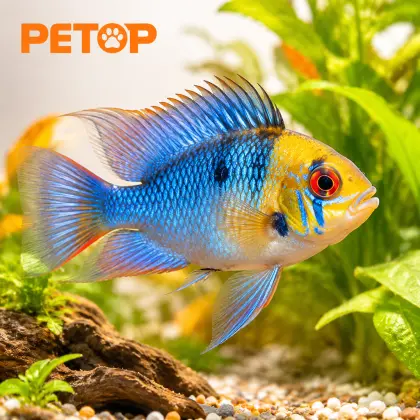
German blue ram
A jewel-like dwarf cichlid that needs pristine water.
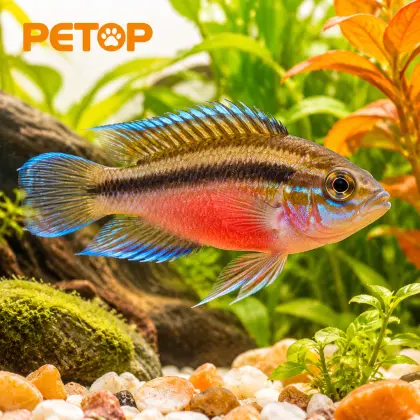
Kribensis
A cave-spawning dwarf cichlid with devoted parents.
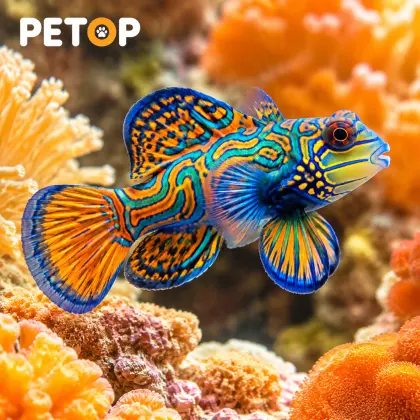
Mandarinfish
One of the most colourful fish—eats only live copepods.
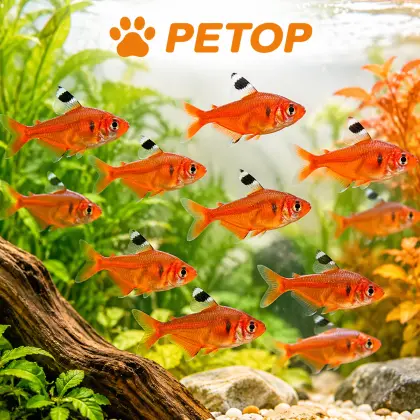
Serpae tetra
A red, lively tetra—calmer in larger groups.
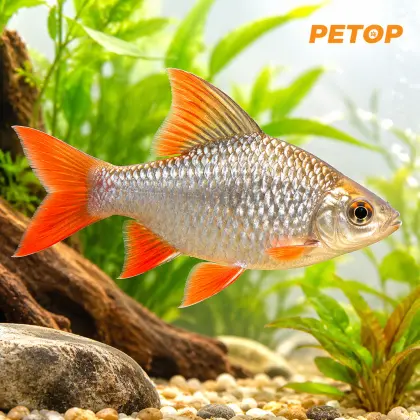
Tinfoil barb
A shiny schooling barb that grows large.
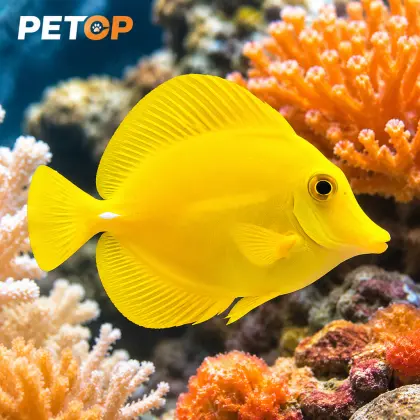
Yellow tang
A bright yellow reef algae grazer.
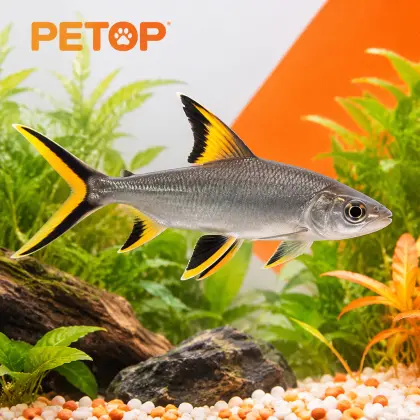
Bala shark
A shark-like but peaceful cyprinid that grows big.
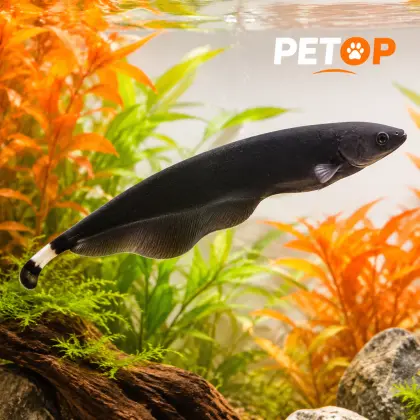
Black ghost knifefish
A weakly electric fish that swims by rippling its belly fin.
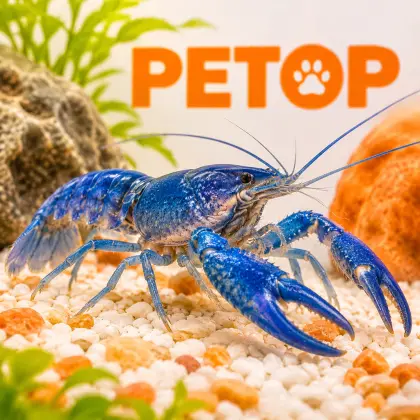
Blue crayfish
A mini blue “lobster” that eats plants and slow fish.
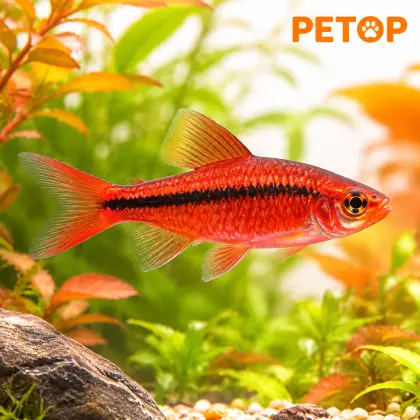
Cherry barb
Males turn cherry-red—a peaceful community barb.
General care guide: Fish & aquatics
Cycle first
Run your tank for 3–4 weeks before adding fish so beneficial bacteria can convert ammonia. Test water regularly.
Essentials
Filter, heater for tropicals (24–28°C), dechlorinator and a test kit. Feed small amounts once or twice daily and change 20–25% of the water weekly. Never release fish into the wild.
Related articles
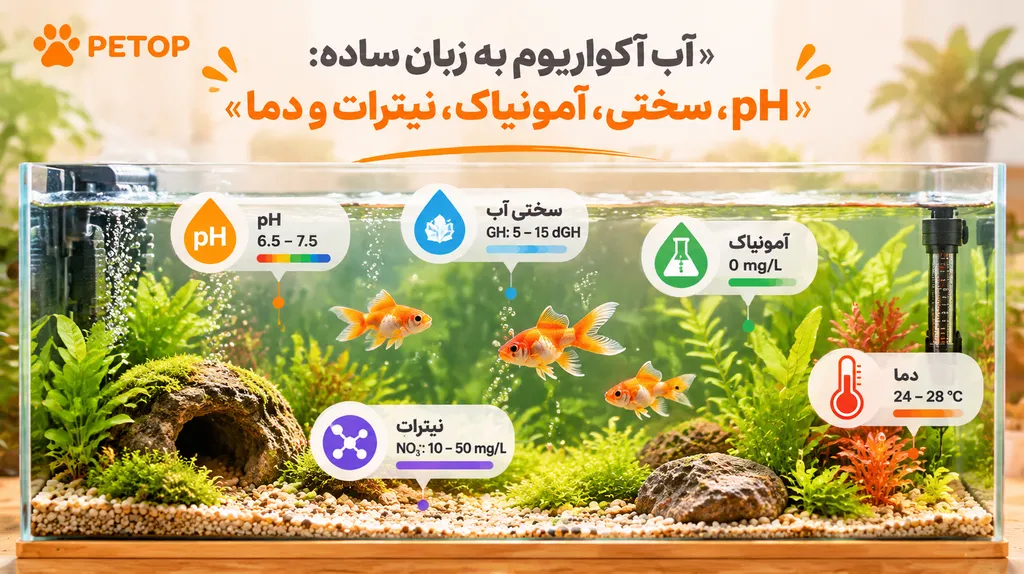
Aquarium water chemistry made simple
Why fish die in clear water: key parameters and how to adjust them.
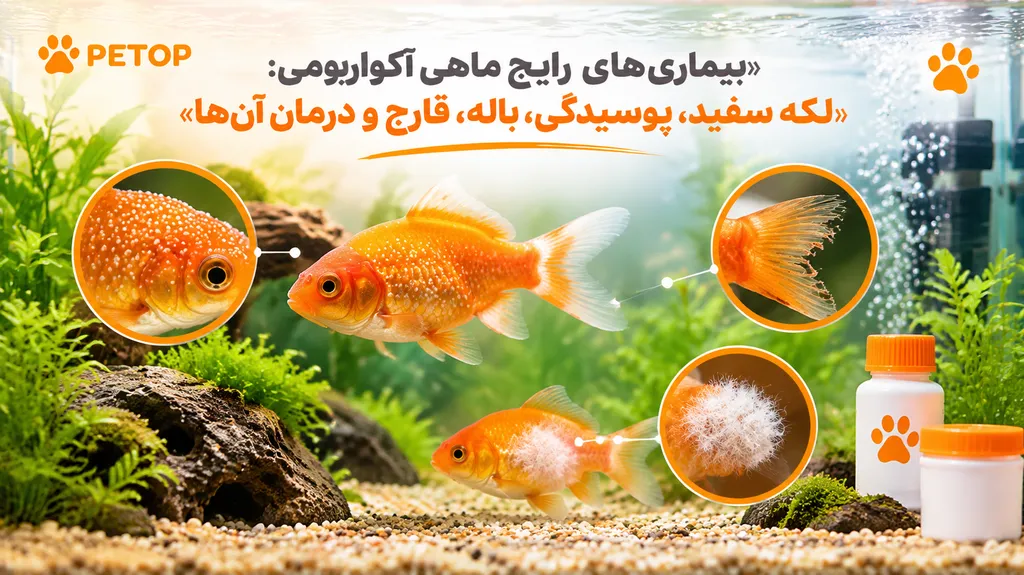
Common aquarium fish diseases
Most fish diseases start with poor water. Eight common illnesses and treatments.
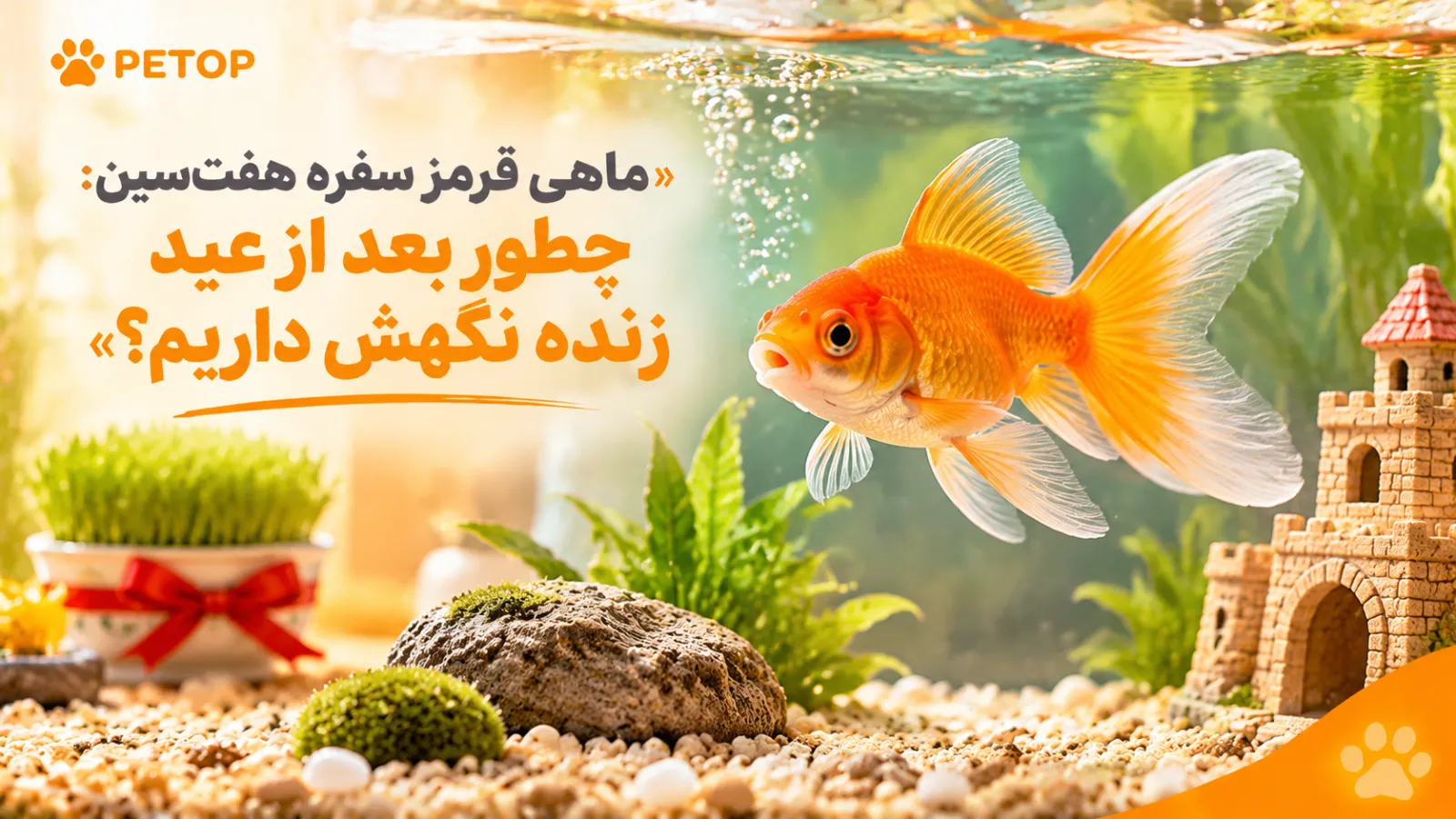
Keeping your Nowruz goldfish alive
Millions of goldfish die after Nowruz. Simple steps for a long life.