
- Home
- Pet encyclopedia
- Farm animals
Farm animals breeds
Complete profiles of Farm animals breeds with photos, traits and care guides.
25 breeds
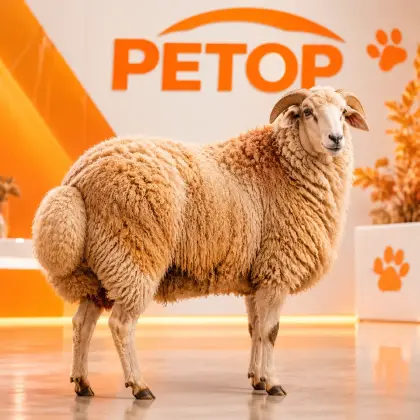
Sheep (Iranian breeds)
Iran has many sheep breeds—Afshari, Lori-Bakhtiari, Zel, Moghani; buy from registered farms.
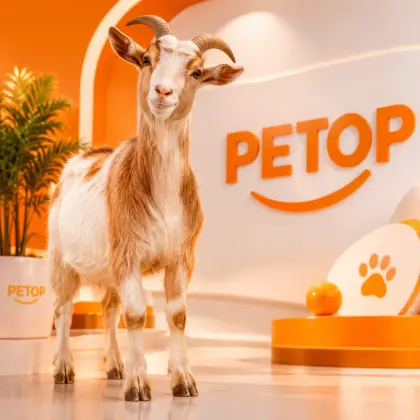
Goat
Iranian Raeini and Markhoz breeds plus dairy Saanen; curious escape artists.
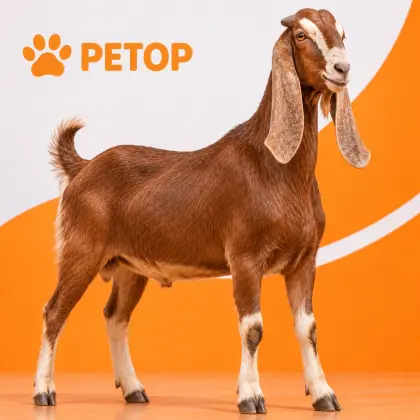
Damascus goat
A Roman-nosed, lop-eared dairy goat.
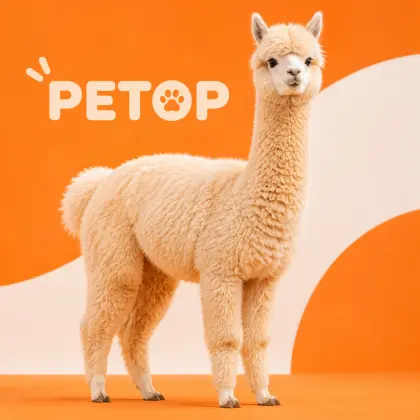
Alpaca
Raised for soft fibre; must be kept in groups of three or more.
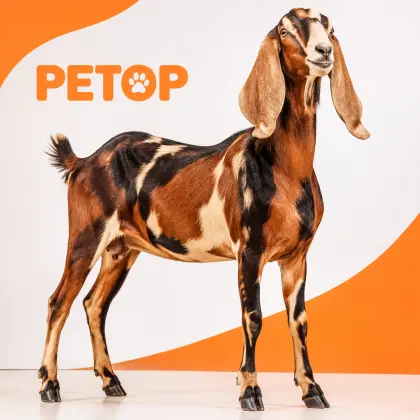
Anglo-Nubian goat
Long-eared with a Roman nose and rich butterfat milk.
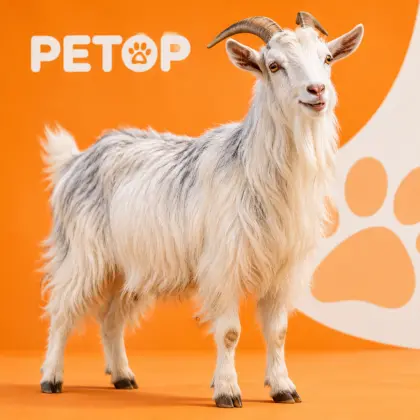
Alpine goat
A hardy, productive Alpine dairy goat.
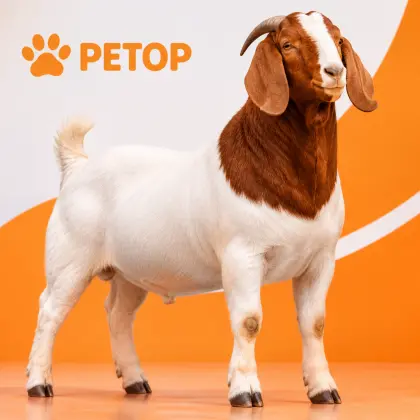
Boer goat
The leading meat goat—white body, red head.
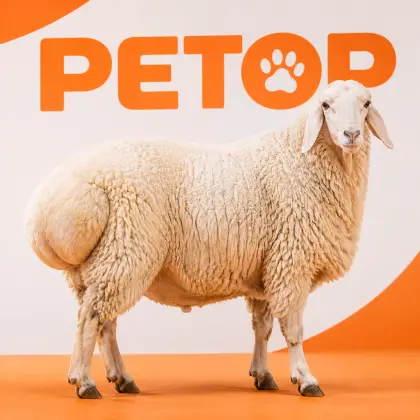
Mehraban sheep
A fat-tailed Hamadan sheep whose wool is used for carpets.
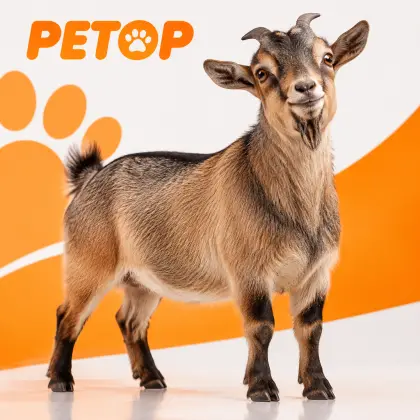
Pygmy goat
A small, playful goat kept as a backyard pet.
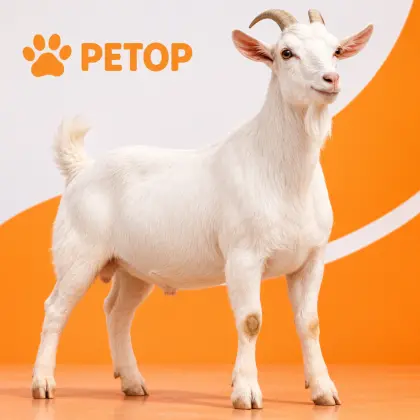
Saanen goat
The world’s highest-milking goat breed, pure white.
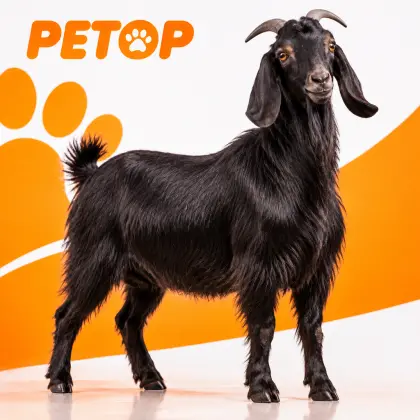
Najdi goat
A black, long-eared goat adapted to Khuzestan’s heat.
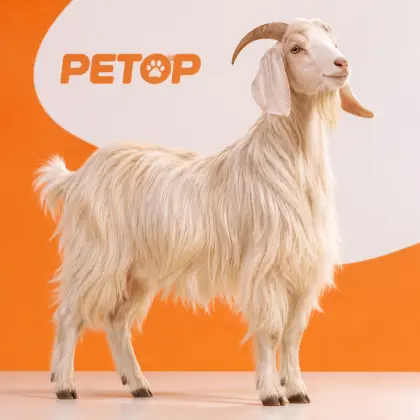
Raeini Cashmere goat
A cashmere goat native to arid Kerman.
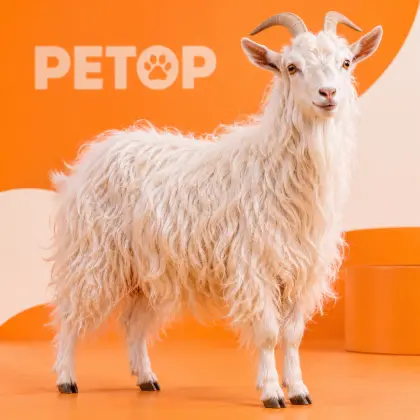
Angora goat
Produces lustrous mohair, shorn twice a year.
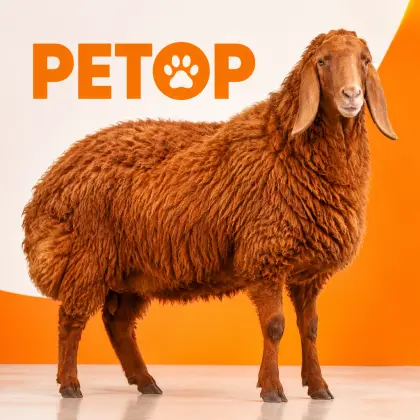
Ghezel sheep
A dual-purpose red-headed sheep of NW Iran.
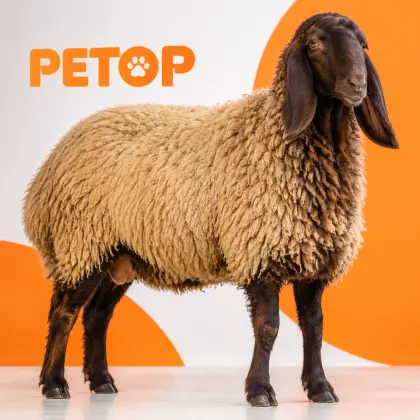
Afshari sheep
A heavy, fast-growing fat-tailed Iranian sheep prized for meat.
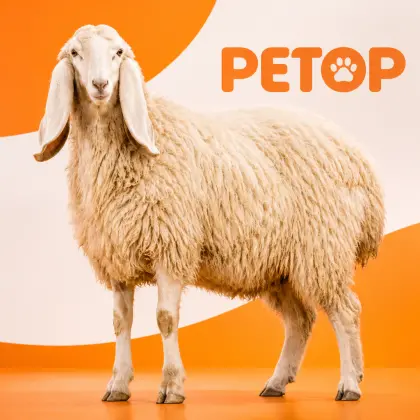
Baluchi sheep
Iran’s most numerous breed—extremely drought-tolerant.
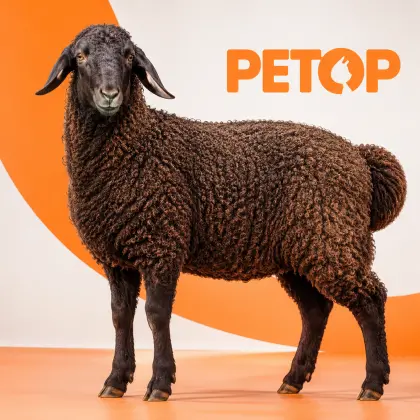
Karakul sheep
Famous for the curly pelts of its lambs (astrakhan).
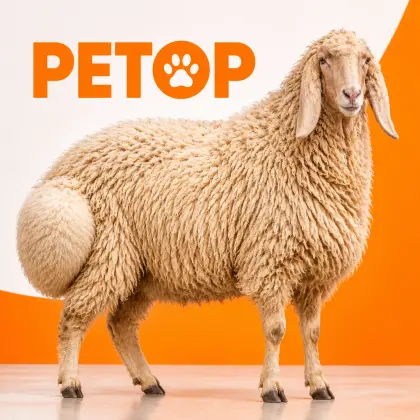
Lori-Bakhtiari sheep
Iran’s largest sheep, adapted to nomadic migration.
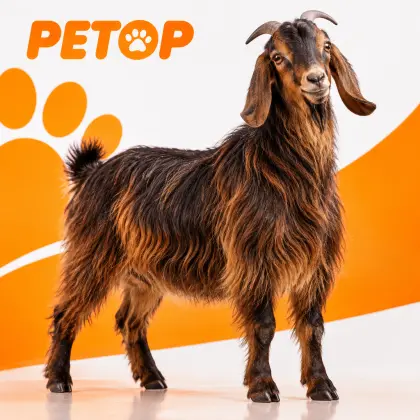
Markhoz goat
Iran’s only mohair goat, native to Kurdistan—rare and valuable.
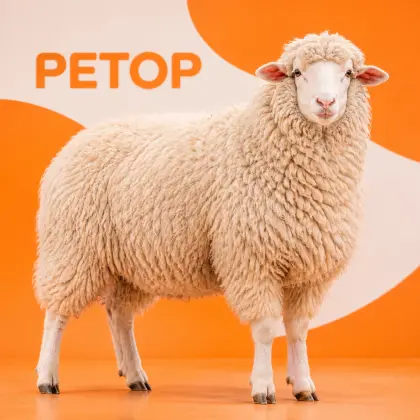
Merino
Produces the world’s finest wool.
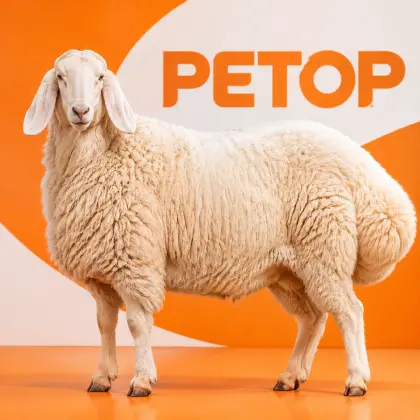
Moghani sheep
A white-bodied, brown-headed meat sheep of the Moghan plain.
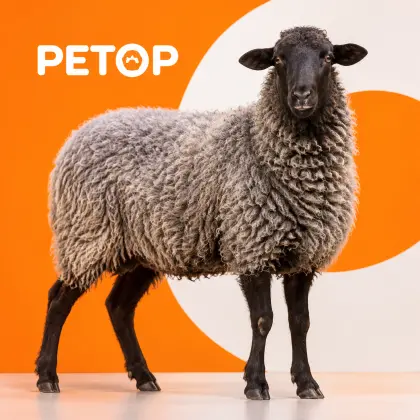
Romanov sheep
Renowned for triplets and quadruplets.
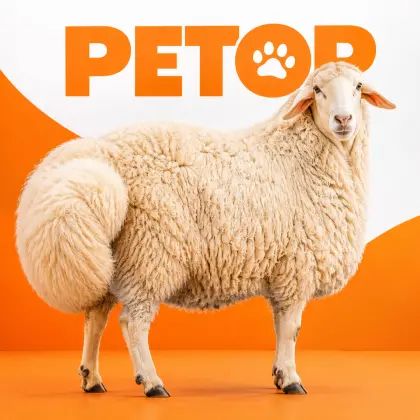
Sanjabi sheep
A meat sheep of the Sanjabi tribe in Kermanshah.
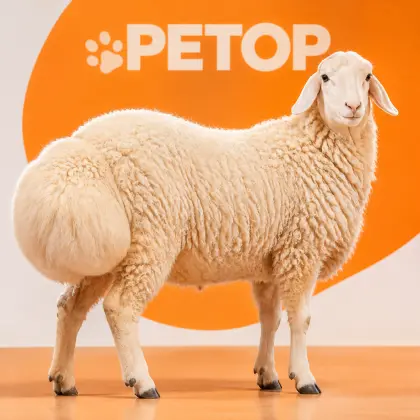
Zandi sheep
A small, hardy sheep of central Iran’s dry zones.
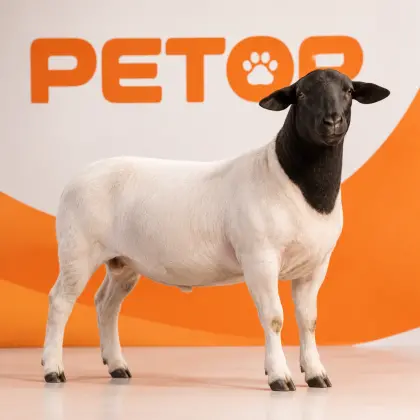
Dorper sheep
A fast-growing black-headed hair sheep for meat.
General care guide: Farm animals
Livestock & poultry
Buy from licensed farms with health codes, check vaccination records and quarantine newcomers for 2–3 weeks.
Prevention
Follow regional vaccination schedules (FMD, enterotoxaemia, PPR, Newcastle). Horses need quality forage, farriery every 6–8 weeks and yearly dental care.
Related articles
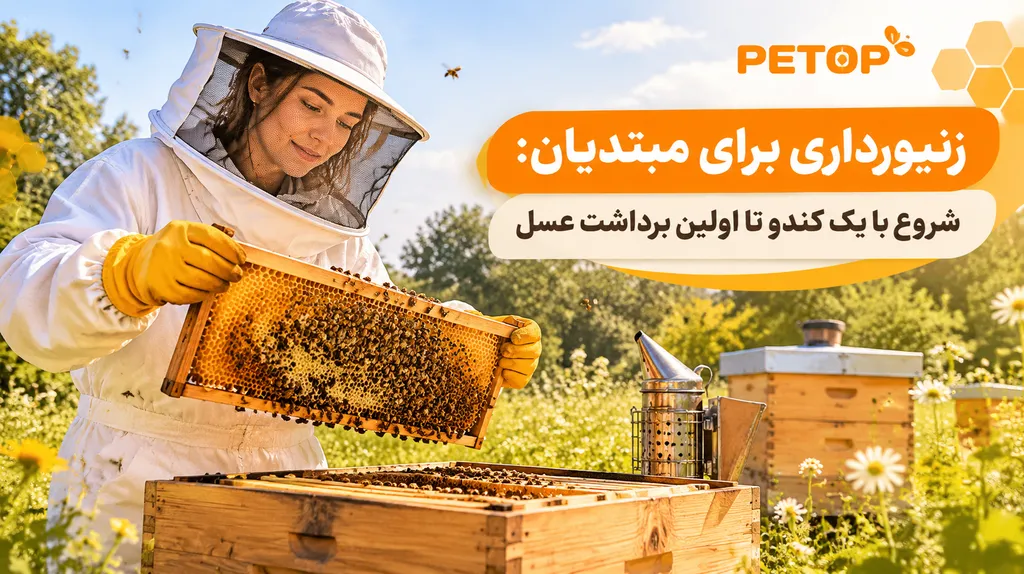
Beekeeping for beginners
Equipment, timing, hive inspections, varroa control and harvesting.
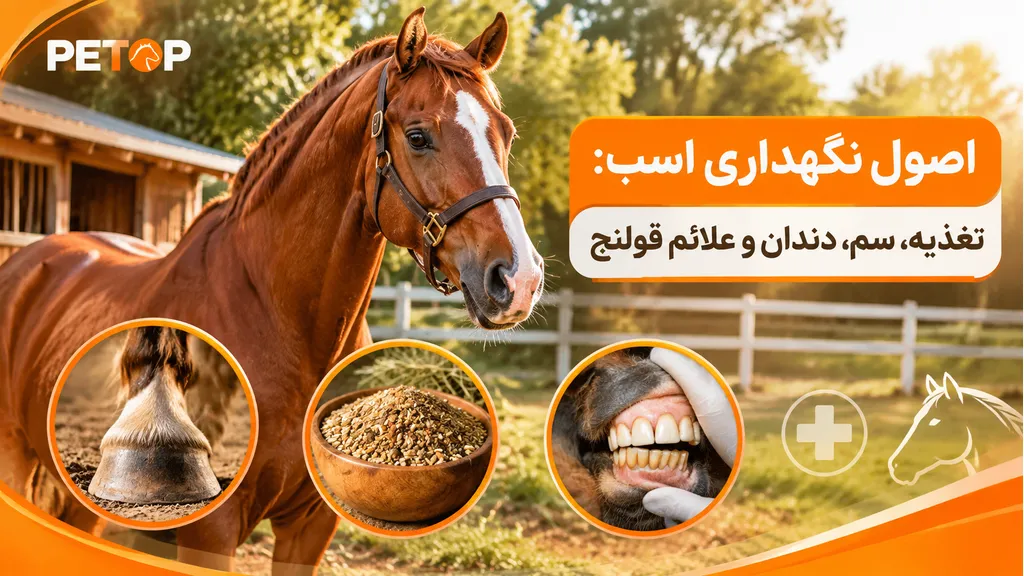
Horse care basics
Daily needs, hoof care, vaccines, deworming and recognising colic.
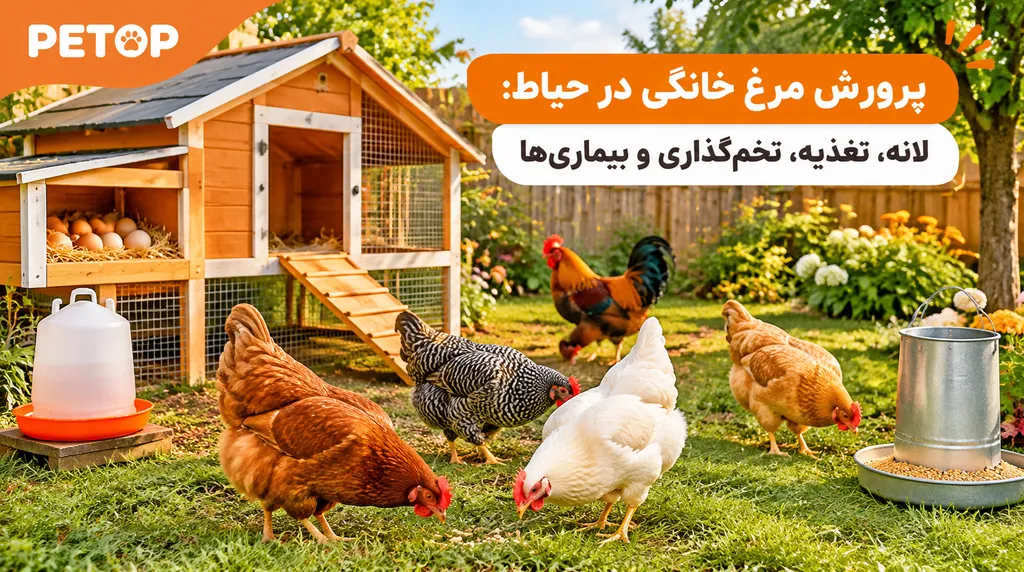
Keeping backyard chickens
Coop design, layer diet and preventing Newcastle and avian flu.