
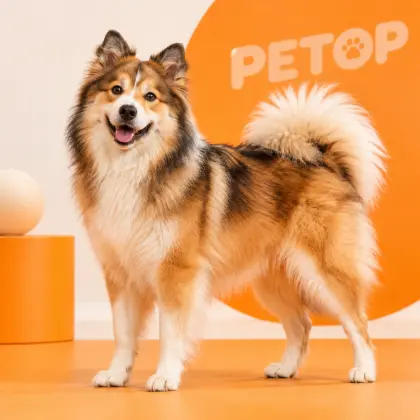
Icelandic Sheepdog
Iceland’s only native breed, brought by the Vikings.
Behavior traits
Scores from 1 to 5 reflect breed averages; every animal has its own personality.
The Icelandic Sheepdog, is an Icelandic breed of dog of Nordic Spitz type. It derives from dogs brought to Iceland by Viking settlers in the ninth century; it is both similar and closely related to the Buhund of Norway and the Vallhund and Norrbottenpets of Sweden, which derive from the same ancestral stock.
General care guide: Dogs
Before you bring a dog home
A dog is a 10–15 year commitment. Match the breed to your space, schedule and budget, not just its looks.
Feeding
Puppies eat 3–4 meals a day, adults two. Use a quality food with meat as the first ingredient. Never feed chocolate, grapes, onions, garlic, xylitol or cooked bones.
Vaccines & health
Core vaccines start at 6–8 weeks with yearly boosters; rabies from 12 weeks is essential in Iran. Deworm every three months and protect against fleas and ticks.
Training & exercise
Reward-based training works best. Socialise puppies between 3 and 14 weeks. Most dogs need at least two walks a day; working breeds need much more.
Frequently asked questions
How long does a Icelandic Sheepdog live?
A Icelandic Sheepdog typically lives about 12-14 years, and good nutrition and regular checkups can extend that.
Is a Icelandic Sheepdog good for apartments?
A Icelandic Sheepdog needs more space and lots of exercise; a small apartment isn’t ideal.
Is a Icelandic Sheepdog good with children?
Yes — a Icelandic Sheepdog is usually gentle and patient with kids, though play should always be supervised.